

The Modern Guide to the Apartment Fitness Center


.svg)

Essential Features of a Modern Apartment Fitness Center
When we think about a top-tier apartment fitness center, we aren't just thinking about a room with a few heavy objects. In 2026, the modern gym is a carefully curated environment designed to inspire movement. It begins with high-end finishes—think warm wood accents, modern linear lighting, and floor-to-ceiling windows that flood the space with natural light. This design philosophy aligns with the standards set by the International WELL Building Institute, which emphasizes the impact of the built environment on human health and well-being.
To create a space that residents actually want to use, property managers must look beyond basic cardio. The most successful facilities are those that have been tailored to the community through resident surveys. By asking what types of exercises people prefer and what times they usually train, we can ensure the equipment selection matches the demand. High-quality finishes aren't just about aesthetics; they reflect a commitment to resident well-being. In 2026, the integration of biophilic design—incorporating plants and natural materials—has become a staple in luxury fitness environments, helping to reduce stress and improve focus during workouts.
Must-Have Equipment for Every Apartment Fitness Center
The landscape of fitness equipment has shifted significantly over the last few years. While the treadmill remains the undisputed king of cardio, renters are increasingly looking for "functional" tools that allow for more dynamic movements. Interestingly, while spinning bikes like Peloton saw a massive surge in previous years, interest has leveled off to about 28%, while TRX suspension training (41%) and CrossFit-style equipment (40%) have seen a major rise in popularity.
| Equipment Category | Renters' Interest Level | Key Benefits |
|---|---|---|
| Treadmills | High (Top Choice) | Universal appeal, easy to use |
| TRX / Suspension | 41% | Space-efficient, full-body workout |
| CrossFit Gear | 40% | High-intensity, community-focused |
| Free Weights | High | Essential for strength and toning |
| Peloton / Spin | 28% | On-demand classes, digital tracking |
In addition to these favorites, a well-rounded apartment fitness center should include ellipticals, stair machines, and rowing machines—the latter being a favorite for those seeking low-impact, high-intensity upper body engagement. We also see a growing trend toward specialized recovery tools, such as percussive therapy devices and compression sleeves, being made available for resident use.
Functional Zones and Layout Principles
A great gym layout is all about "flow." Nobody wants to be doing yoga right next to someone dropping heavy dumbbells. We prioritize creating distinct activity zones to keep the energy organized:
- Cardio Zone: Usually placed along windows to provide views and a sense of openness. This placement encourages longer sessions by providing visual stimulation.
- Strength Zone: Featuring free weights, adjustable benches, and plate-loaded machines, often positioned for privacy. This area requires heavy-duty flooring to handle the impact of weights.
- Functional Training Zone: This is where you’ll find the turf, medicine balls, plyometric boxes, and resistance ropes. It is designed for multi-planar movement and high-intensity intervals.
- Stretching and Recovery: A dedicated, quiet area with mats, foam rollers, and mirrored walls to help residents refine their form and cool down properly. This zone is often separated by acoustic panels to maintain a tranquil atmosphere.
Designing for Optimal Use: Space and Standards
Designing a multifamily gym requires more than just buying equipment; it’s about engineering a safe and inclusive space. Safety features like non-slip rubber or cork flooring are non-negotiable to prevent accidents and dampen sound. In 2026, we utilize vulcanized rubber flooring that is specifically engineered to absorb the vibration of heavy machinery, ensuring that the fitness experience is seamless for both the user and their neighbors. Ventilation and HVAC systems must be top-of-the-line to ensure air quality remains fresh even during peak hours, utilizing HEPA filtration to remove allergens and particulates.
Furthermore, we ensure all layouts are ADA-compliant, providing enough clearance between machines for residents of all mobility levels to navigate the space comfortably. This includes wide pathways and equipment that can be easily adjusted or accessed. The goal is to create a wellness environment that feels professional yet welcoming to everyone in the community.
Capacity and Square Footage Requirements
How much space is enough? The industry standard for a multifamily community suggests allocating between 35 to 45 square feet per member. For a community aiming to accommodate 100 residents at any given time, a 4,000-square-foot facility is the "sweet spot." This calculation accounts for the "footprint" of the equipment as well as the necessary "buffer zones" for safe movement.
If the community offers group exercise, the space requirements grow. A dedicated group exercise studio typically requires about 4,599 square feet to allow for movement, while personal or small-group training areas can function well in about 2,970 square feet. This ensures that even during the "after-work rush," no one feels crowded or restricted in their range of motion.
The Role of Technology and On-Demand Wellness
In April 2026, the "smart gym" is the standard. An apartment fitness center is now a digitally connected hub where your workout data follows you from the machine to your smartphone.
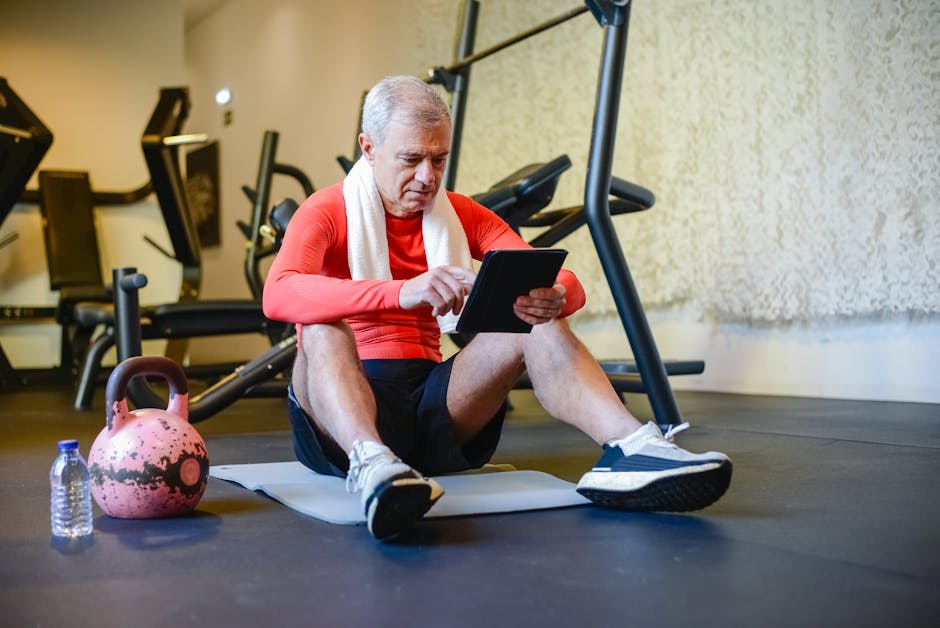
Digital connectivity allows residents to track their progress, join virtual races, and even compete in community-wide step challenges. This "gamification" of fitness has proven to be a powerful motivator, turning a solo workout into a shared community experience. Many residents now use wearable devices that sync directly with the gym's equipment, allowing for seamless logging of heart rate, calories burned, and power output.
Smart Equipment and Resident Apps
Modern gyms feature smart equipment with integrated touchscreens that allow users to log into their Netflix, Spotify, or fitness tracking accounts. Beyond the hardware, many communities now offer dedicated resident apps. These apps serve several purposes:
- Access Control: Using your phone as a keycard for 24/7 entry, providing both convenience and enhanced security.
- On-Demand Content: Accessing hundreds of workout videos for yoga, HIIT, or strength training, which can be streamed to the large displays in the functional zones.
- Equipment Status: Checking to see if the treadmills are busy before you even leave your apartment, saving time and streamlining your daily routine.
- AI Coaching: Some platforms now offer AI-driven feedback on lifting form, using camera sensors to ensure residents are performing exercises safely and effectively.
Beyond the Gym: Integrated Wellness Amenities
While the apartment fitness center is the heart of the health offering, it shouldn't stand alone. Wellness is holistic, and the best communities provide a "wellness circuit" that residents can move through to optimize their physical and mental health.

Holistic Wellness Features
To complement the high-intensity energy of the gym, we look for amenities that support recovery and relaxation. This transition from exertion to restoration is vital for long-term health.
- Yoga and Spin Studios: Separate from the main floor, these rooms offer wood-style flooring and mirrors for a more zen-like atmosphere. They are often equipped with high-fidelity sound systems for immersive classes.
- Hydration Stations: High-end filtered water dispensers (and sometimes sparkling water options) keep everyone fueled. Some stations even include electrolyte-infused water options.
- Towel Service: A small luxury that makes the transition from the gym to the office much smoother, reflecting a high-touch service model.
- Outdoor Fitness Areas: Some communities are now incorporating "fitness playgrounds" with obstacle courses, 40-yard dash tracks, and outdoor yoga decks to take advantage of the San Diego sunshine. These spaces allow for vitamin D exposure while training, which is essential for mood regulation and bone health.
Resident Engagement and Motivation Strategies
The biggest barrier to fitness is often a lack of motivation. Having the gym in your building removes the "commute" excuse, but building a community keeps people coming back. We’ve seen great success with resident-led run clubs that meet weekly, or themed workout events that turn exercise into a social hour. These interactions foster a sense of belonging, making the apartment fitness center a social hub as much as a place for exercise.
If you are just starting your search for the perfect home, checking out Apartment Hunting Tips can help you prioritize which amenities will actually impact your daily happiness and health.
Building Consistency in an Apartment Fitness Center
Consistency is easier when the environment supports it. Many residents find success by:
- Finding a Workout Buddy: It’s much harder to skip a workout when your neighbor is waiting for you in the lobby. This accountability is a cornerstone of successful fitness habits.
- Using Off-Peak Hours: Mid-day or late-evening sessions offer a private, "boutique" feel, allowing for uninterrupted use of the most popular equipment.
- Reward Programs: Some communities offer points for gym check-ins that can be redeemed for local perks, such as discounts at nearby San Diego health cafes or wellness boutiques.
- Goal Setting: Utilizing the resident app to set monthly goals, such as a certain number of visits or miles run, helps maintain focus and provides a sense of achievement.
Frequently Asked Questions about Apartment Gyms
What is the ideal size for a multifamily fitness center?
Ideally, a gym should offer 35-45 square feet per member. For a large community, a 4,000-square-foot space is considered the gold standard for comfort and variety. This allows for a diverse range of equipment without creating a cramped environment, ensuring that multiple residents can train simultaneously without interference.
Which gym equipment is currently most popular with renters?
Treadmills remain the #1 choice. However, there is a massive growing demand for functional equipment like TRX suspension trainers, CrossFit rigs, and dedicated rowing rooms. Residents are increasingly looking for variety in their routines, moving away from static machines toward equipment that supports natural, athletic movement.
How do on-site gyms impact resident retention?
High-quality fitness centers are a primary driver for retention. When residents can cancel their external $100/month gym membership because their building’s facility is better, they are much more likely to renew their lease. A well-maintained gym serves as a daily reminder of the value provided by the community.
Conclusion
At The James, we understand that a home is more than just four walls—it’s a launchpad for your lifestyle. Our approach to San Diego living focuses on contemporary design that seamlessly blends residential comfort with high-end lifestyle amenities. Whether you are hitting the apartment fitness center for a sunrise cardio session, cooling off in the pool, or taking your dog to the on-site run, we’ve designed every inch of our community to keep you moving forward.
Ready to see how luxury and wellness intersect in the heart of San Diego? Visit www.livethejamessandiego.com to explore our vision for a more connected, active urban life.

Related Posts

CONTACT US
Everything starts with hello. Fill out the form below to stay in the loop with updates on The James.
.jpg)